


Lalique Appraisal
- elliotmelamed

- Sep 3, 2025
- 4 min read
As part of a home contents report we recently completed for a North York estate client, we had the pleasure to have included a Lalique appraisal within the scope of the project.
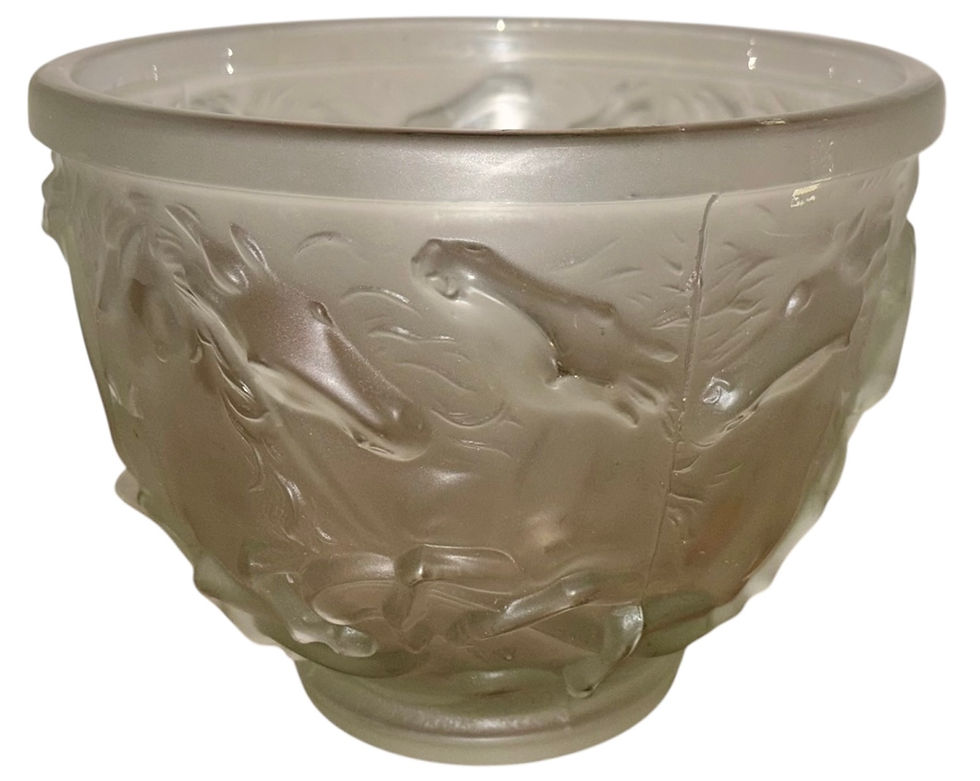
Lalique (France) satin crystal ‘Wild Horses’ bowl, approx. 7¾” diameter at rim, 6” overall height. Signed beneath with etched signature and inscribed #184
Lalique Crystal: A Legacy of Elegance and Artistry
Lalique is one of the most esteemed names in the world of luxury glass and crystal. Known for its unmistakable elegance, exquisite craftsmanship, and distinctive French artistry, Lalique crystal represents more than just decorative objects—it embodies over a century of innovation, creativity, and timeless beauty. From jewelry to perfume bottles, from vases to chandeliers, Lalique's creations have captivated collectors and connoisseurs across generations.
The Origins of Lalique
The story of Lalique begins with René Lalique, a French jeweler and glassmaker born in 1860. Initially gaining fame as a designer of intricate Art Nouveau jewelry, Lalique was celebrated for his nature-inspired motifs—often featuring animals, plants, and the female form. His artistry broke away from the rigid designs of traditional jewelry, instead focusing on organic forms and experimental materials like enamel, horn, and glass.
By the early 20th century, Lalique had transitioned from jewelry to glasswork, which would ultimately define his legacy. In 1907, he partnered with perfume maker François Coty to design perfume bottles, a collaboration that marked the beginning of Lalique’s pivotal role in the decorative glass industry. These early perfume bottles were not only functional but also works of art, blending fine craftsmanship with commercial appeal.
The Transition to Crystal
Although René Lalique initially worked with glass, it wasn't until the post-war era—after his death in 1945—that the company shifted its focus exclusively to crystal. His son, Marc Lalique, took over the family business and made the strategic decision to convert production to lead crystal, a move that elevated the brand further into the luxury market. Marc preserved his father's artistic vision while embracing the enhanced clarity, weight, and brilliance that crystal offered.
This transition marked the beginning of a new chapter for Lalique. The brand’s crystal pieces gained international acclaim for their craftsmanship, unique frosted and clear finishes, and sensual, often romantic designs.
Distinctive Features of Lalique Crystal
Lalique crystal is renowned for several distinctive features that set it apart from other luxury glassmakers:
Frosted and Clear Contrasts: Perhaps the most recognizable feature of Lalique crystal is the interplay between clear and frosted glass. This technique, pioneered by René Lalique and refined over decades, enhances depth and texture, giving each piece a sculptural quality.
Nature-Inspired Motifs: From birds in flight to blooming flowers and graceful nudes, Lalique designs often draw inspiration from the natural world. These motifs reflect René Lalique’s original artistic philosophy and continue to resonate in contemporary collections.
Handcrafted Excellence: Every piece of Lalique crystal is handcrafted in Wingen-sur-Moder, a small village in the Alsace region of France. The Lalique factory, established in 1921, remains the only production site for Lalique crystal. Here, skilled artisans—some with decades of experience—perform the labor-intensive processes of molding, blowing, cutting, etching, and polishing.
Artistic Collaboration: Over the years, Lalique has collaborated with a range of designers, artists, and luxury brands. These collaborations have resulted in everything from bespoke furniture and lighting to limited-edition sculptures and architectural elements.
Product Range
Lalique’s offerings are vast and diverse, encompassing both decorative and functional items. Some of the most popular categories include:
Sculptures and Figurines: Animal figures, human forms, and mythological characters are often rendered in crystal with striking realism and fluidity.
Vases and Bowls: Iconic models such as the Bacchantes vase, featuring sensual female figures in relief, are collector favorites.
Lighting: Lalique chandeliers and lamps combine crystal and metal to create breathtaking lighting fixtures.
Jewelry and Accessories: Continuing René’s original vision, Lalique still produces finely crafted jewelry and accessories, now rendered in crystal and precious metals.
Tableware and Barware: Crystal glasses, decanters, and plates add a luxurious touch to dining and entertaining.
Perfume Bottles: A nod to the brand’s origins, Lalique still designs perfume bottles for both its own fragrances and collaborations with other perfume houses.
Collector Appeal and Investment Value
Lalique crystal is not only prized for its beauty but also its investment potential. Certain vintage pieces, especially those designed by René Lalique himself, fetch high prices at auctions and are considered museum-worthy. Limited editions and discontinued items are especially sought after, making them attractive to collectors.
The brand has maintained its prestige by producing high-quality, artisanal products in limited quantities. This scarcity enhances the perceived and actual value of each piece.
In addition, many art and design museums—such as the Musée Lalique in Alsace and the Corning Museum of Glass in New York—feature Lalique pieces in their permanent collections, further cementing the brand’s cultural significance.
Modern Innovations and Sustainability
Under the ownership of Swiss art patron Silvio Denz (who acquired the brand in 2008), Lalique has expanded into new areas, including interior design, hospitality, and even winemaking (via Château Lafaurie-Peyraguey, a Lalique-branded vineyard in Bordeaux). These ventures blend art, design, and luxury lifestyle, bringing the Lalique experience into new realms.
Sustainability has also become a focal point. Lalique has invested in modernizing its production processes to reduce environmental impact, focusing on recycling materials, reducing emissions, and sourcing raw materials responsibly.
Lalique in the 21st Century
Today, Lalique continues to thrive as a symbol of French luxury and artisanal excellence. While the brand honors the legacy of René Lalique through reissues of classic designs, it also embraces contemporary aesthetics and technological advancements. Designers reinterpret traditional motifs with modern flair, ensuring that Lalique remains relevant and desirable in a fast-changing world.
Boutiques around the globe—from Paris and London to Tokyo and New York—showcase the full breadth of the Lalique universe, attracting a new generation of admirers alongside longtime collectors.
Conclusion
Lalique crystal is more than just decorative glass; it is a harmonious blend of art, history, and craftsmanship. With its roots in the Art Nouveau movement and its enduring commitment to quality and beauty, Lalique stands as a beacon of French artistry. Whether admired for its aesthetic appeal, collected as an investment, or cherished as a family heirloom, Lalique crystal continues to inspire and enchant.
To own a piece of Lalique is to own a fragment of artistic history—one that gleams with brilliance, elegance, and timeless charm.


Comments